Skip to content

A geotechnical report can look intimidating, but it is one of the most important documents on any Florida construction project. Learning how to read a geotechnical report helps you spot risks early, ask better questions, and avoid costly surprises once the excavators arrive. This guide walks through the sections that matter most and what they actually mean for your site.

What a geotechnical report is and why it matters
A geotechnical report is the written result of subsurface investigation and lab testing on your property. It tells you what the soil is doing beneath the surface so your design team can build safely on it. In Florida, where sandy soils, high water tables, and buried organics are common, the report is your first defense against settlement, sinkholes, and foundation failure. For the bigger picture, see our overview of what geotechnical engineering protects.
The key sections of a geotechnical report
1. Project and site description
This confirms the scope, the location, and the proposed structure. Make sure it matches your actual plans, because the recommendations are only valid for the project described.
2. Field exploration and boring logs
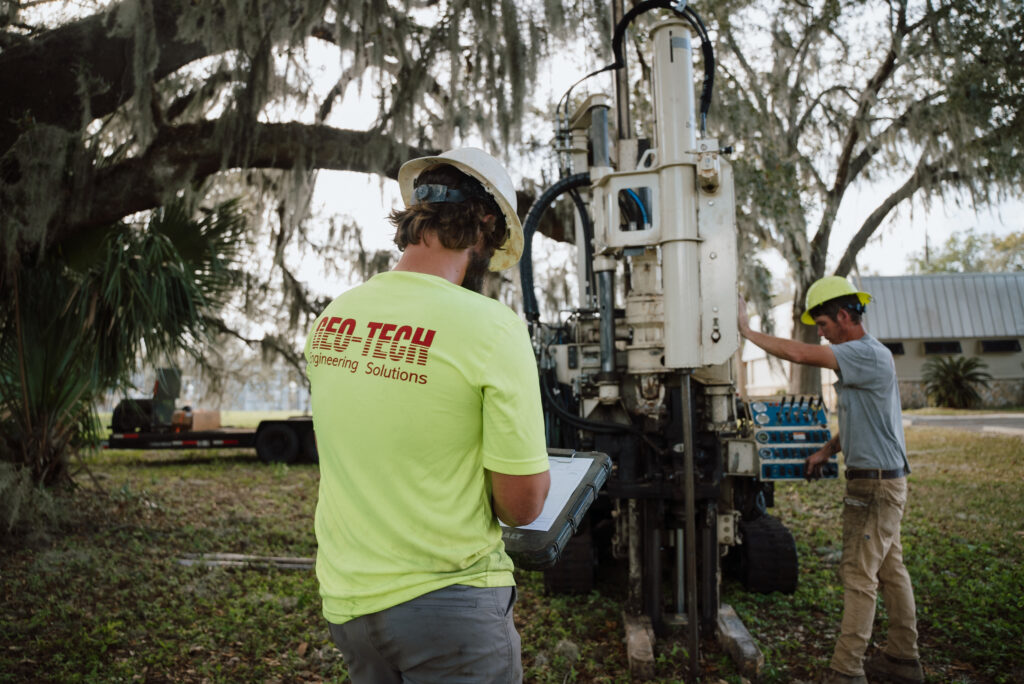
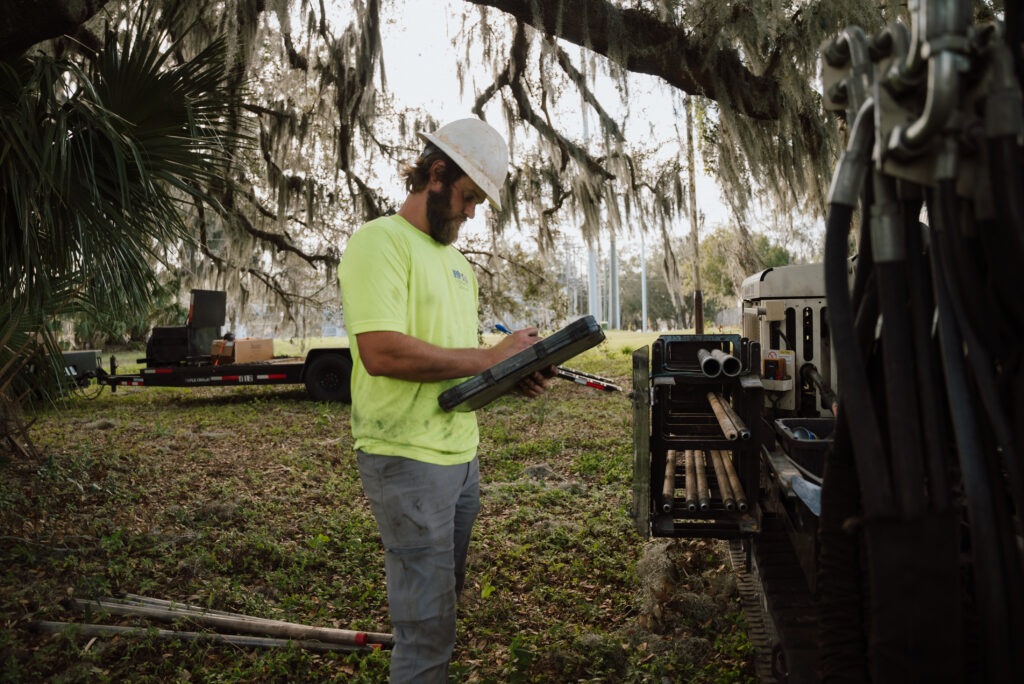
Boring logs are the heart of the report. They show what was found at each depth, layer by layer, from the soil borings performed on site. Watch for soft layers, organic material, and where groundwater was encountered.
3. Laboratory testing results
These pages report moisture content, gradation, and strength from soil laboratory testing. They turn field samples into the numbers your engineer designs around.
4. Groundwater conditions
Florida projects live and die by water. The report notes the water table depth and seasonal variation, which drives everything from foundation type to dewatering.
5. Engineering recommendations
This is the section you act on. It specifies allowable bearing pressure, foundation type, and any ground improvement needed. If it warns about foundation settlement, take it seriously.
How to use a geotechnical report on your project
Read the recommendations first, then trace them back to the data that supports them. Share the full geotechnical report with your structural engineer and contractor so everyone designs to the same ground truth. When something is unclear, ask the engineer of record; a good firm expects questions. Industry standards from the American Society of Civil Engineers back up why this document carries so much weight.
Red flags to watch for in a geotechnical report
Once you understand the structure of a geotechnical report, a few findings deserve extra attention. Soft or loose layers noted in the boring logs, especially near the surface, often mean settlement is likely without ground improvement. Any mention of organic soil or muck is a warning sign, because those layers keep compressing for years. A shallow or seasonally high water table changes which foundation types are even possible and frequently points toward dewatering during construction. Finally, compare what was tested against what you plan to build; if the report was written for a one-story home and you are now planning two stories, the recommendations may no longer hold. None of these red flags mean you cannot build. They mean the geotechnical report is doing its job, surfacing the ground conditions your design must respond to before construction begins rather than after something cracks. Reading a report with these flags in mind turns a dense document into a practical checklist that protects your budget and your schedule.
Frequently asked questions about a geotechnical report
How long is a geotechnical report valid?
It reflects conditions at the time of testing. Major site changes, new fill, or a different structure usually call for an update.
Who should read the report?
Your structural engineer, architect, contractor, and permitting reviewers all rely on it, so distribute the full document, not just the summary.
What if the report finds a problem?
A problem found on paper is far cheaper than one found in the field. The report will recommend a fix, from deeper foundations to ground improvement.
The bottom line on your geotechnical report
A geotechnical report is not red tape, it is the blueprint for building on Florida ground safely. Knowing how to read one protects your budget, your schedule, and your structure. If you need a clear, reliable report for your next project, contact Geo-Technologies.