Skip to content

Percolation testing in Florida tells you a simple but critical thing: how fast water drains through your soil. That single answer shapes whether you can install a septic system, size a drainfield, or design stormwater on your lot. If you are buying land or planning a build outside city sewer, percolation testing in Florida is often the first hurdle to clear.
What a percolation test actually measures
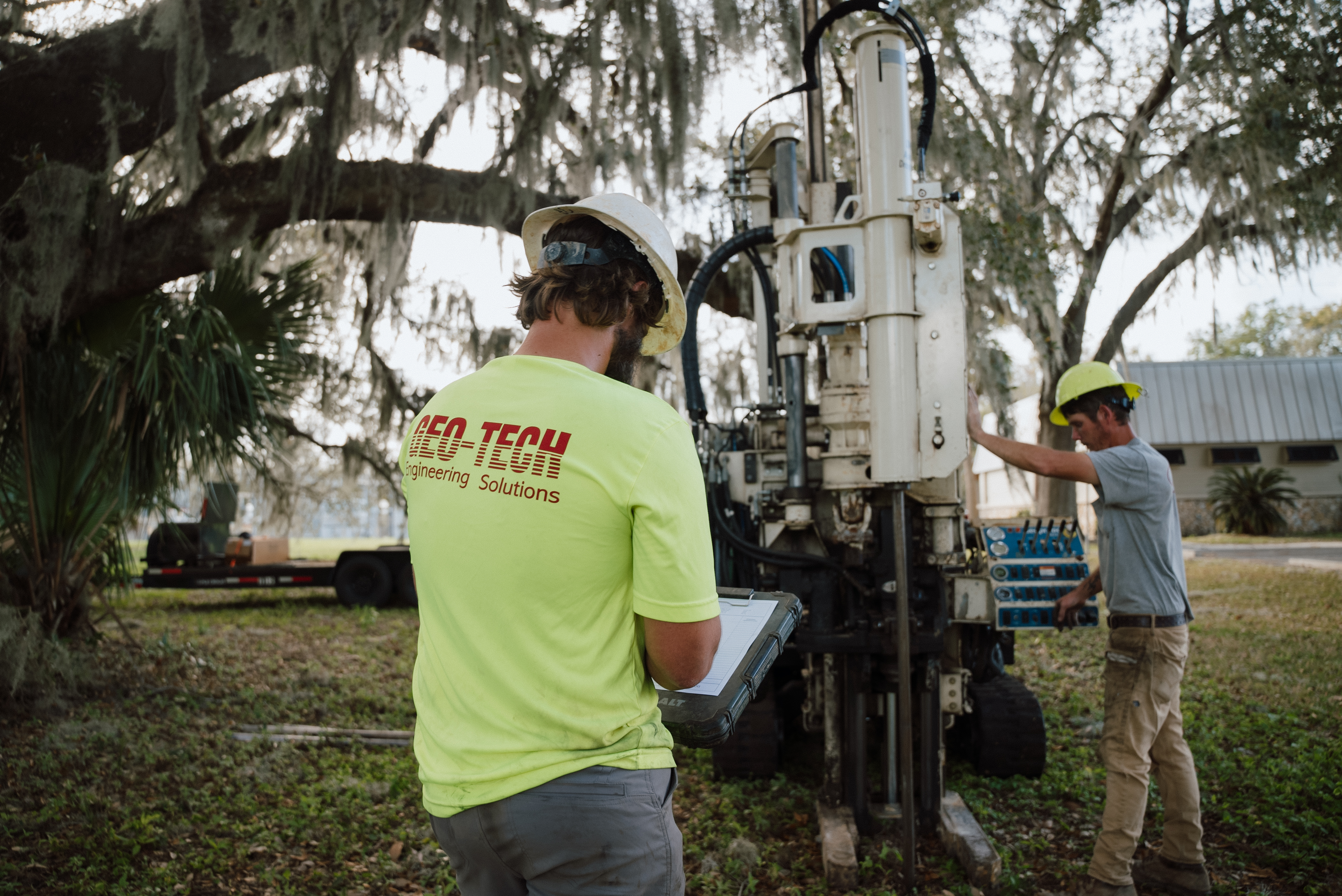
A perc test measures the rate at which water moves down through the ground, reported as inches per hour. Sandy Florida soils often drain quickly, while clay or organic layers drain slowly and can fail a test outright. The result determines whether a conventional septic system will work or whether an engineered alternative is required. This is closely related to soil permeability and stormwater, which governs how a site handles rain.
When you need percolation testing in Florida
You typically need a perc test when:
- Building on a lot without municipal sewer.
- Installing or replacing a septic system and drainfield.
- Subdividing or developing rural acreage.
- Confirming a parcel is buildable before you buy.
Anyone weighing raw land should pair this with our guide to buying land based on the soil, because drainage can make or break a purchase.
How the test is done
Boring and soil profile
The process starts with a look at the soil profile, often alongside soil borings, to identify layers and the seasonal high water table.
The drainage measurement
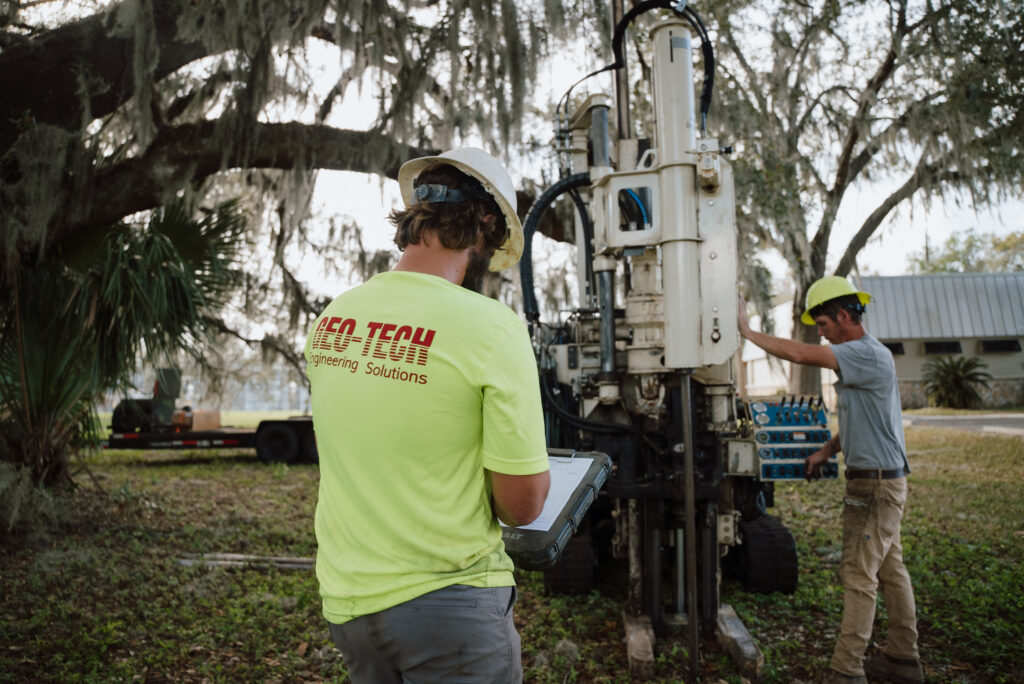
Holes are dug to the drainfield depth, presoaked, then filled with water while the drop is timed. Multiple holes give a reliable average for the site.
Why professional results matter
Percolation testing in Florida must follow state and county standards to be accepted for permitting. A failed or sloppy test can stall a project for weeks, while a properly documented one keeps your permit moving. The Florida Department of Health regulates onsite septic systems, so accurate testing is not optional.
How Florida counties use your percolation results
Percolation testing in Florida is not just an engineering exercise, it is a permitting requirement. County health departments use your perc results to decide what kind of septic system they will approve and how large the drainfield must be. Fast-draining sandy soils may qualify for a conventional system, while slow or failing soils push you toward mounded or engineered alternatives that cost more and take longer to permit. Because the county relies on documented, standards-compliant testing, a test performed incorrectly or without the right paperwork can be rejected, sending you back to the start. That is why timing matters: schedule your testing early in the project so results are in hand before you finalize the site plan or close on the land. Done right, percolation testing in Florida keeps your permit moving instead of becoming the thing that holds everything up, and it gives you a realistic picture of what your septic system will cost long before you break ground.
Frequently asked questions about percolation testing in Florida
What if my soil fails the perc test?
A failed test does not always mean no build. Engineered or mounded septic systems can often work, though they cost more.
How long does a perc test take?
Fieldwork is usually a day, but presoaking and county review add time, so plan ahead.
Is a perc test the same as a soil boring?
No. A boring identifies soil layers; percolation testing in Florida measures drainage rate. They work together.
The bottom line on percolation testing in Florida
Before you commit to a lot or a septic design, know how your ground drains. Percolation testing in Florida gives you that answer and keeps your project permittable. To schedule testing for your site, contact Geo-Technologies.