Skip to content

Building on muck is one of the most underestimated challenges in Florida construction. Muck, the soft, dark, organic soil found across much of the state, looks like ordinary dirt but behaves nothing like it. Building on muck without addressing it first is a fast track to settlement, cracking, and structural failure, which is why it deserves a plan long before the first slab is poured.

What muck is and why it is a problem
Muck is organic soil, formed from decayed plant material in wetlands, old lake beds, and low-lying areas. It holds enormous amounts of water, compresses under load, and keeps settling for years as the organics break down. That combination makes building on muck risky, because even a modest structure can sink unevenly over time. Many cases of foundation settlement in Florida trace directly back to undetected organic layers.
How to know if muck is on your site
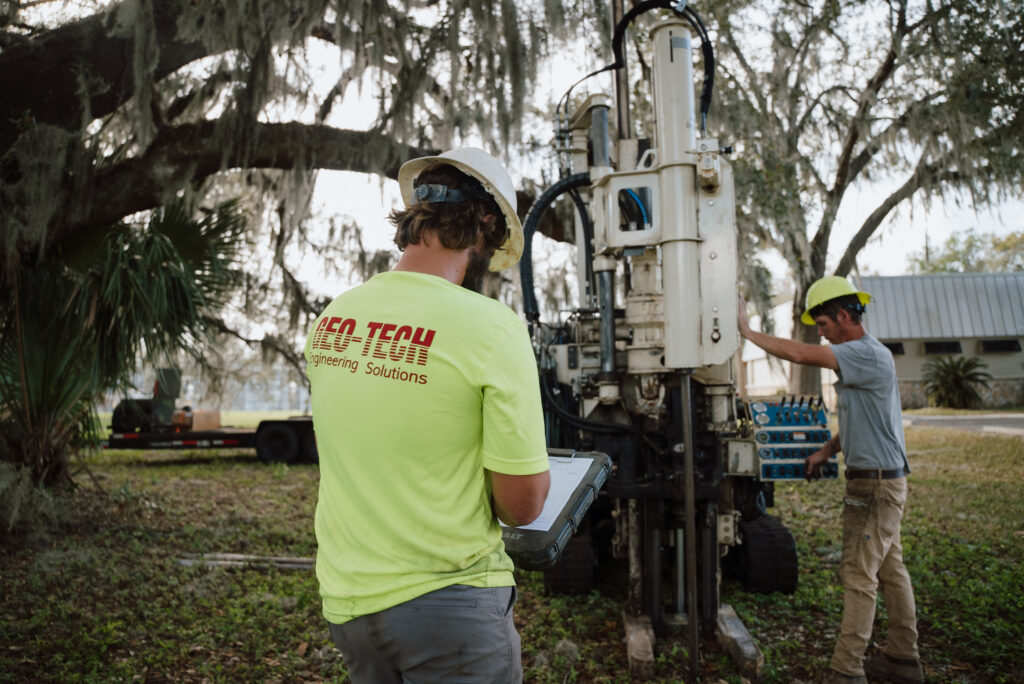
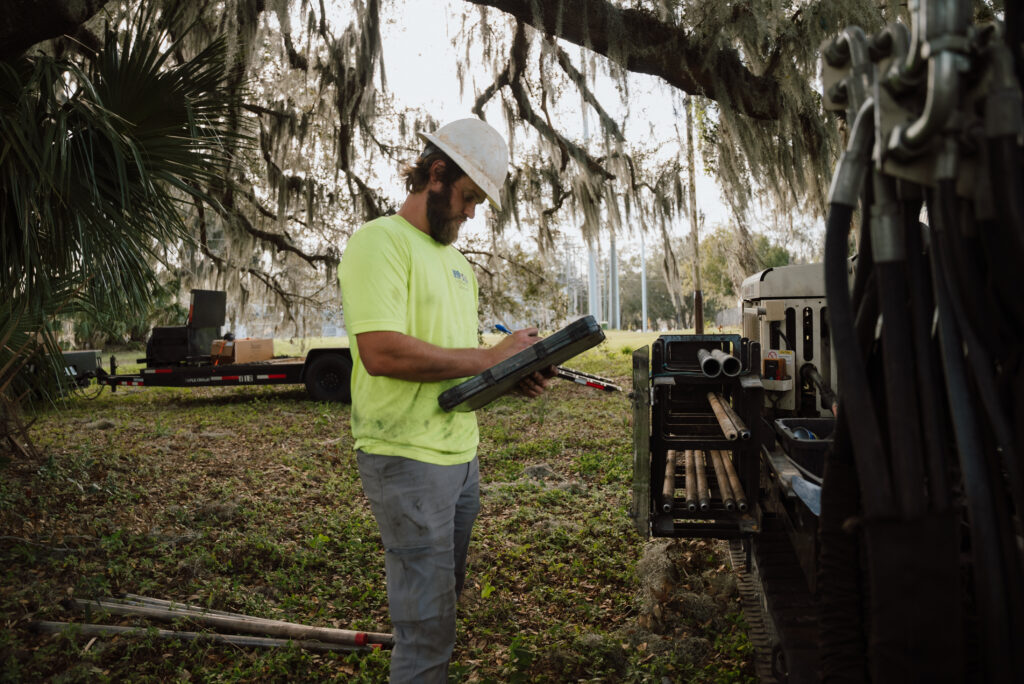
You cannot judge muck from the surface. It is confirmed through soil borings and lab testing that measure organic content and depth. Anyone evaluating a parcel should treat this as essential due diligence, which ties directly into buying land based on the soil beneath it.
Managing the risks of building on muck
The good news is that building on muck is possible with the right approach. Common strategies include:
- Removal and replacement of the muck with engineered fill.
- Surcharging, where temporary load is added to pre-settle the ground.
- Deep foundations that bypass the muck and reach competent soil.
- Ground improvement techniques for deeper deposits.
The right choice depends on how deep and how organic the muck is, which is exactly what a geotechnical investigation determines. Research from the U.S. Geological Survey underscores how widespread organic soils are across the Florida landscape.
Why guessing is expensive
Skipping investigation to save money almost always backfires. Removing muck after a foundation cracks costs far more than identifying and managing it up front.
Where muck shows up across Florida
Muck is far more common than most buyers expect, and it rarely announces itself. It collects in old lake beds, drained wetlands, floodplains, and low spots that were filled years ago, which means a flat, buildable-looking lot can still hide feet of organic soil. Areas near rivers, marshes, and former agricultural land are especially prone to it. Because muck can be covered by a thin cap of sand or fill, the surface tells you almost nothing; two neighboring lots can have completely different profiles. This is exactly why building on muck is a due-diligence issue, not a construction afterthought. A geotechnical investigation with borings across the footprint reveals how deep the organics go and whether they are consistent or patchy. Knowing that before you design lets you budget for removal, surcharging, or deep foundations up front, rather than discovering the problem after the slab is already cracking. In a state built on wetlands, assuming any lot is muck-free is a gamble that a few borings can easily settle.
Frequently asked questions about building on muck
Can you build a house on muck?
Yes, but only after the muck is removed, bypassed, or improved based on a geotechnical report. Building on muck untreated is not safe.
How deep can muck go?
It varies from inches to many feet. Borings are the only reliable way to know.
Does muck ever stop settling?
Organic soils settle for years. That is why they must be managed before construction, not after.
The bottom line on building on muck
Muck hides in plain sight and punishes projects that ignore it. Building on muck safely comes down to finding it early and managing it correctly. Before you build on Florida ground, contact Geo-Technologies to know exactly what is beneath your site.