Skip to content

Foundation stability is the first thing to change when a Florida storm parks over your site for days. Rain that would drain away in a drier climate has nowhere to go here, so it collects in the soil, lifts the water table, and quietly rewrites the ground your structure depends on.
Hurricane season does not only test roofs and windows. It tests the sand, clay, and limestone underneath, and it often exposes weaknesses that were invisible when the weather was dry. Knowing how heavy rain behaves in Central Florida soils helps you plan calmly instead of reacting after the damage is done.
When groundwater rises and saturated sand loses its grip, foundation stability can shift long after the storm clouds have cleared.
Why Heavy Rain Changes the Ground Beneath You
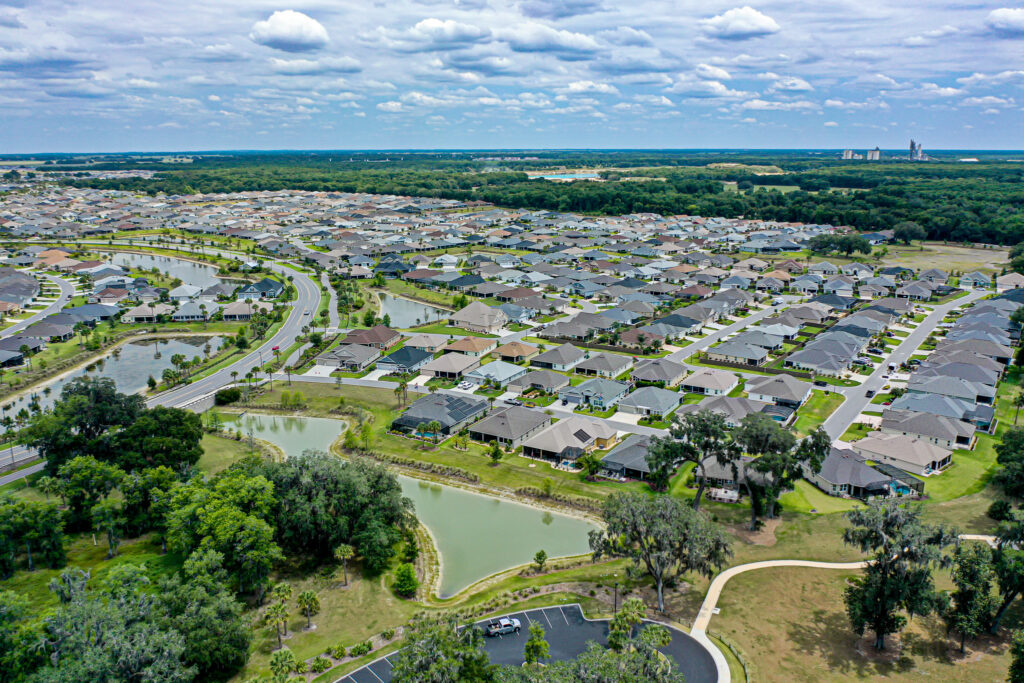
Most sites in Marion, Lake, and Sumter counties are built on sand over clay over limestone. In dry conditions that profile drains well and feels dependable. A long rain event changes the balance. Water fills the pore spaces between sand grains, the water table climbs, and soils that were firm start to behave differently.
The surface can look fine while the real story plays out several feet down. That gap between what you see and what is happening below is exactly why storms so often surprise property owners. Sound geotechnical engineering closes that gap and protects foundation stability before a project breaks ground.
Rising Groundwater and Foundation Stability
High groundwater is a permanent feature of Florida life, and hurricane season pushes it higher still. As the water table rises toward the bottom of a footing or slab, it reduces the effective stress in the soil, which is the very thing that gives the ground its bearing strength. Less effective stress means less support.
Rising water also brings buoyancy. Lightly loaded slabs, empty tanks, and shallow foundations can feel uplift pressure they never see in dry months. Measuring seasonal high water is a core part of protecting foundation stability, and field permeability testing tells us how fast a given soil actually moves water.
How Saturated Sands Lose Their Strength
Clean Florida sands are strong when they are dry and confined, but they rely on friction between grains to carry a load. Saturate them and add vibration or fast loading, and that friction can drop sharply. The soil briefly behaves more like a heavy fluid than a solid, settlement follows, and foundation stability suffers.
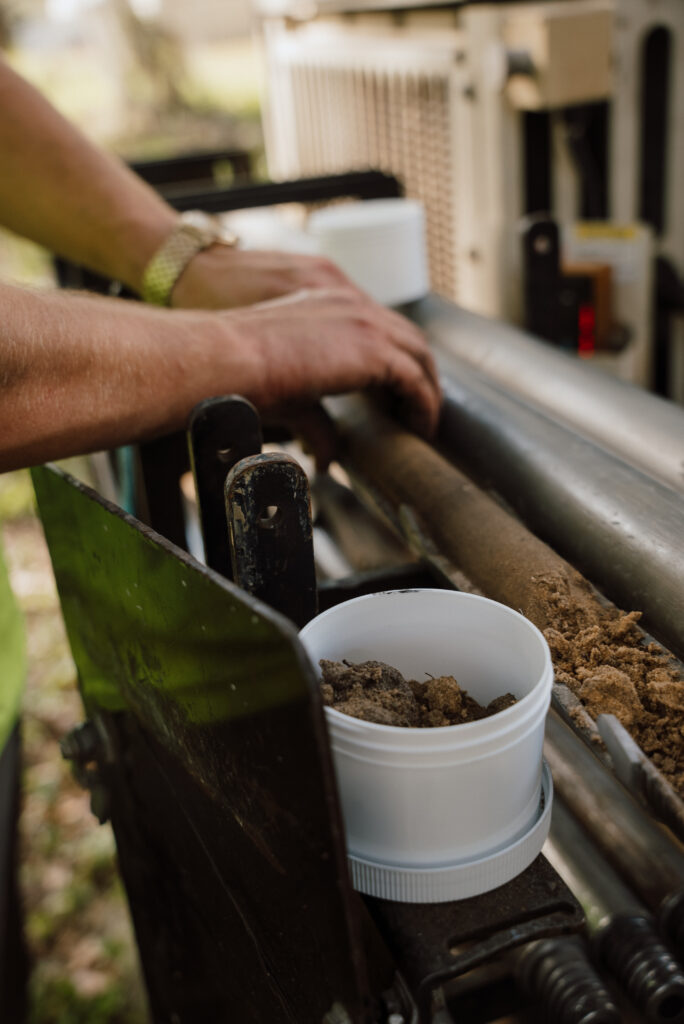
Organic and silty pockets make it worse, because they hold water and give it up slowly. A parcel that passed a casual look can still hide a soft, saturated lens that only matters when it is full of storm water. Borings and cone penetration testing are how we find those layers before they find you.
Why Sinkhole Activity Surfaces After Big Storms
Sinkholes rarely form on the day of a storm. The limestone that underlies much of Central Florida dissolves slowly over thousands of years, leaving cavities and raveling soil above them. What a heavy rain does is speed up the final act. Fast infiltration and swinging groundwater levels wash soil down into existing voids.
That is why sinkhole reports spike after big rain events. The weakness was already there. Our geophysical exploration services use ground penetrating radar, backed by more than twenty years of local survey experience, to map these shallow anomalies so you are reacting to data instead of to a fresh depression in the yard. For storm preparation and recovery basics, the state maintains useful public guidance through the Florida Division of Emergency Management.
What a Geotechnical Evaluation Checks for Foundation Stability
Before and after a storm, an evaluation answers a simple question: has the ground changed, and does it still support what you plan to build? We look at soil type and layering, the seasonal high water table, bearing capacity, and any signs of raveling or loss of support below the surface.
The work is methodical, and it protects foundation stability at every stage. A typical assessment moves through four clear steps.
01
Site review and drilling
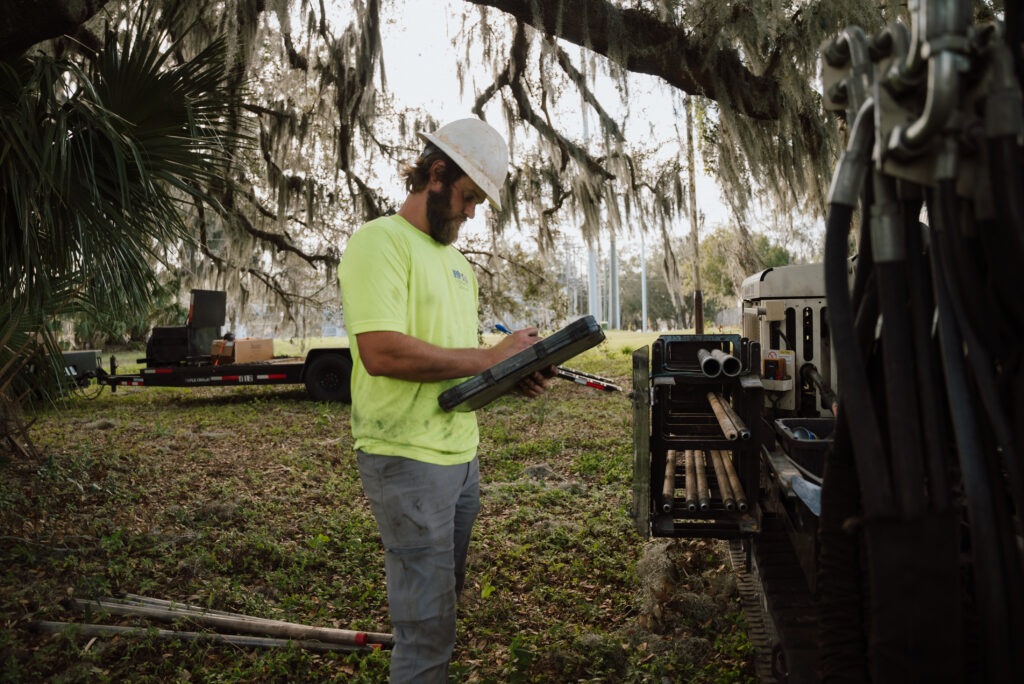
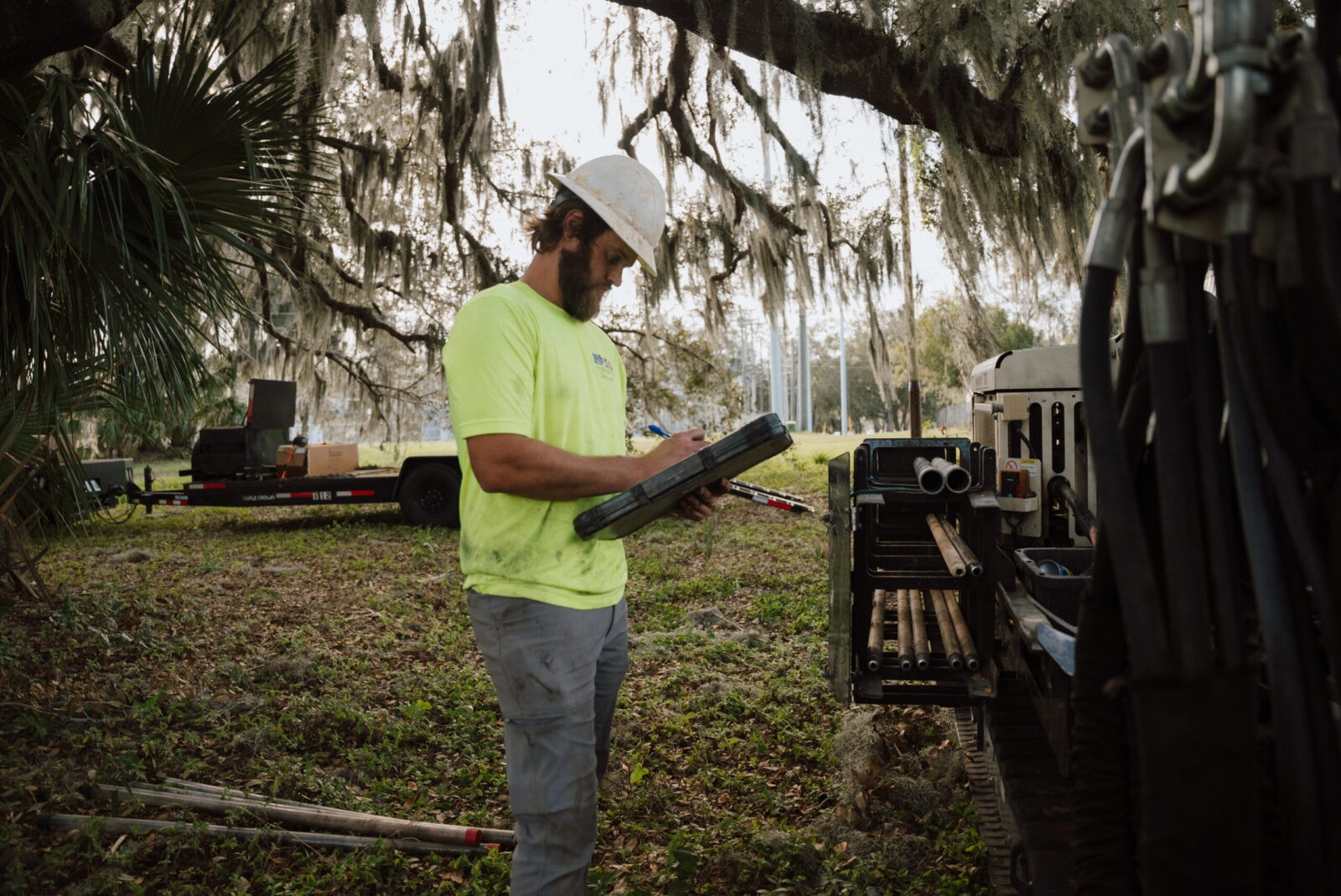
We advance borings with track-mounted direct-push rigs to log the soil profile and reach competent material.
02
In-situ and groundwater testing
SPT, CPT, and field permeability testing measure strength and how the soil handles water at depth.
03
Subsurface imaging
Ground penetrating radar screens for voids, raveling, and buried features that borings alone might miss.
04
Laboratory analysis and reporting
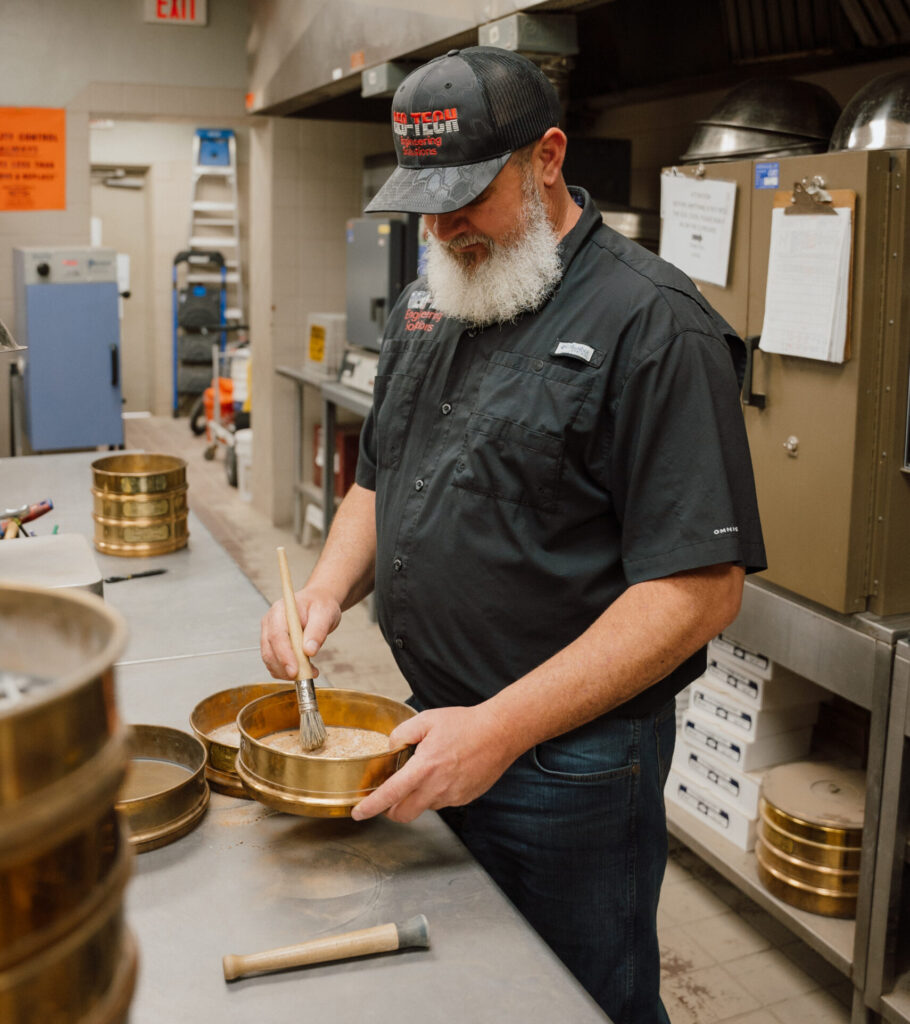
Our accredited laboratory testing confirms soil behavior, and we translate the findings into clear recommendations for foundation stability.
Practical Steps for Owners Before and After a Storm
You do not need to panic every time a system spins up in the Gulf. You do need a plan, and a little baseline data goes a long way. Grade water away from the structure, keep an eye on new cracks or doors that suddenly stick, and document conditions so change is easy to spot.
When something looks off, an evaluation tells you whether it is cosmetic or structural. Here is what an assessment covers and what commonly triggers one.
- Soil type and layering
- Seasonal high groundwater
- Bearing capacity and settlement risk
- Signs of raveling or voids
- Drainage and erosion patterns
- New or widening wall cracks
- Doors and windows that bind
- Slab or floor separation
- A fresh depression in the yard
- Standing water near footings
Storms are part of building in Florida, and they are manageable when you understand the ground. Pairing subsurface investigation, geophysical imaging, and certified laboratory work gives you an honest picture of foundation stability, so your decisions rest on evidence rather than guesswork.